Hello, everyone.
I was born in Kyoto and now live in Tokyo.
After turning 50, I found myself reflecting on how I want to spend the years to come. With a desire to give something back to society in gratitude, and hoping to add a small new challenge to something I can continue to enjoy—something that might also bring a little happiness to others—I came to want to share, in both Japanese and English, the beauty found in everyday life in Japan—nothing extraordinary, just quiet and modest things—with anyone interested in Japanese culture.
In Japan, we have not only the four seasons, but also a traditional calendar based on the movement of the sun and the subtle changes in nature.
It includes the twenty-four solar terms, called nijūshi sekki, and the seventy-two microseasons, called shichijūni kō, which further divide each solar term into three.
Each of these seasonal divisions has a beautifully poetic name that reflects the changing weather and the transformations of plants and animals. Sadly, because of climate change, Japan’s delicate four seasons are becoming less distinct year by year. Even so, I hope we can learn together about the elegance and sensitivity to the seasons that have been passed down since ancient times, and gently bring that awareness into daily life.
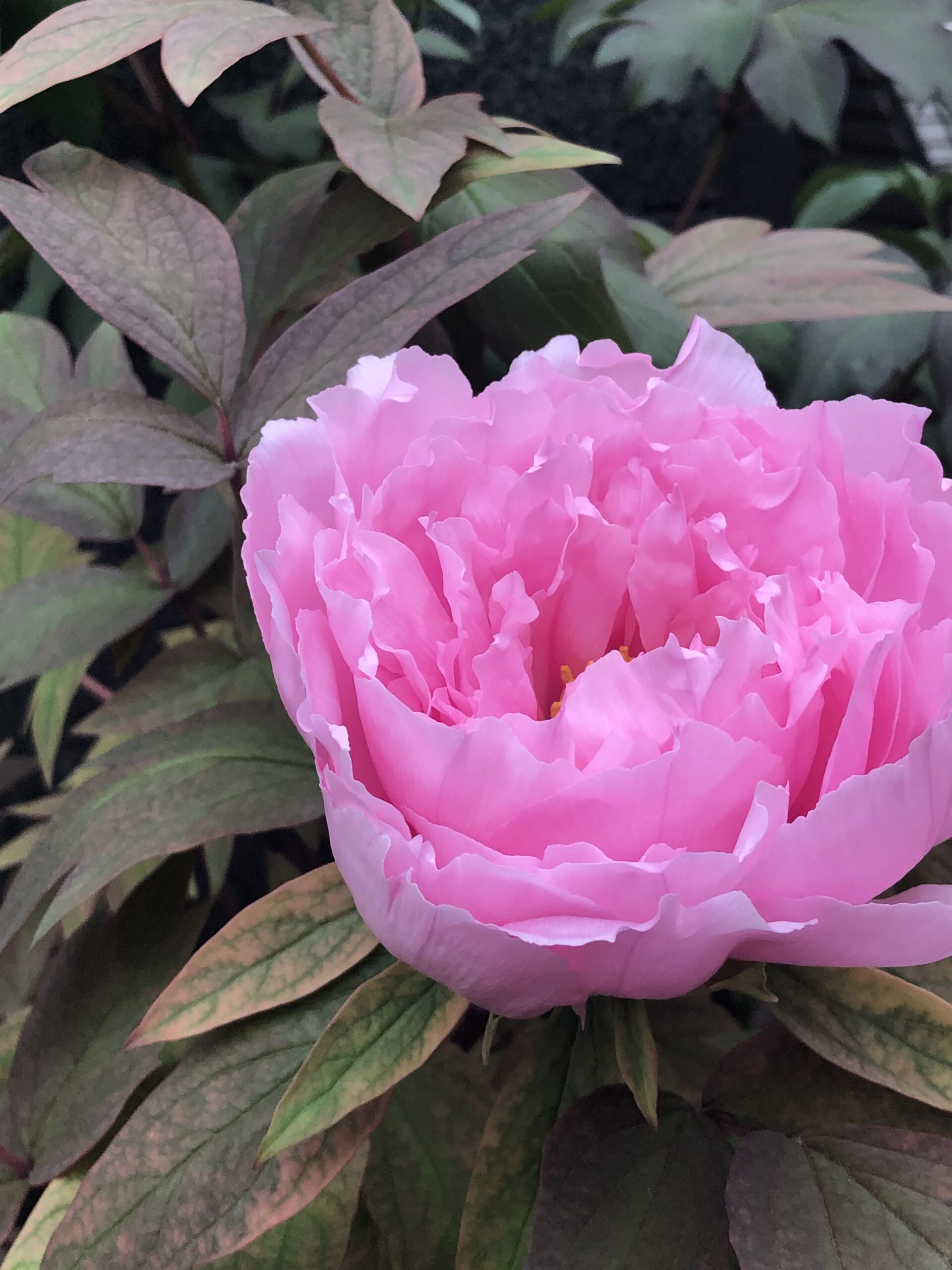
Today, May 4, the solar term is Kokuu, or “Grain Rain,” and the microseason is Botan Hana Saku, meaning “Peonies Bloom.” On the traditional calendar, this is the final day of spring.
These terms describe the nourishing rain that falls at the end of spring to moisten the grains, and the sight of peonies coming gently into bloom. In Japan, peonies appear in a well-known saying that likens a graceful woman’s beauty to flowers: “Standing, she is a shakuyaku; sitting, she is a botan; walking, she is a lily.”
As this is my first post and also a way of introducing myself, it has become rather long.
Starting tomorrow, I will write a little more briefly.
I feel that sharing the thoughtful beauty of everyday life in Japan with you, and knowing that you enjoy it, may become my new ikigai.
Thank you very much for reading this far.
Gokigen-Yo, Wishing you well.
はじめまして。
私は京都で生まれ、今は東京で暮らす会社員です。
50歳を迎えたことをきっかけに、これからの人生をどのように生きていくか、じっくり考えました。感謝の気持ちを社会にお返ししたいという思いと、私が愉しんで続けられることに少しの挑戦を加えながら、誰かに喜んでもらいたいという気持ちから、日本文化に関心をお持ちの方に向けて、日本の日々の暮らしの中にある美しさ――特別なものではなく、ほんのささやかなもの――を、日本語と英語でお伝えしていきたいと思うようになりました。
日本には、春夏秋冬の四季だけでなく、太陽の動きや自然の繊細な変化に基づいた二十四節気(にじゅうしせっき)と、二十四節気をさらに三つに分けた七十二候(しちじゅうにこう)という暦があります。
それぞれの季節の区分には、天候の移ろいや動植物の変化を映した詩的な名前がつけられています。悲しいことに、気候変動の影響によって日本の繊細な四季は年々その輪郭を失いつつありますが、古来から受け継がれた季節を感じる感性について、皆さんと一緒に学びながら、その心を日々の暮らしの中に取り入れていきたいと思っています。
本日5月4日の二十四節気は「穀雨(こくう)」、七十二候は「牡丹華(ぼたんはなさく)」です。暦の上では、今日は春の最後の日にあたります。
「穀雨」と「牡丹華」は、春の終わりに降る恵みの雨が穀物を潤す様子と、牡丹の花が咲きほころぶ様子を表しています。日本では牡丹は、「立てば芍薬、座れば牡丹、歩く姿は百合の花」という、美しい女性の優雅さを花にたとえたよく知られたことわざにも登場します。
今回は初めての投稿で、自己紹介も兼ねているため、少し長くなってしまいました。
明日からは、もう少し簡潔に綴っていこうと思います。
私が綴る日本のていねいな暮らしを、皆さんに楽しんでいただくことが、私の新しい生きがいになると思います。
ここまで読んでくださって、本当にありがとうございます。
それでは皆さま、ごきげんよう。
Hello(はじめまして)
 Uncategorized